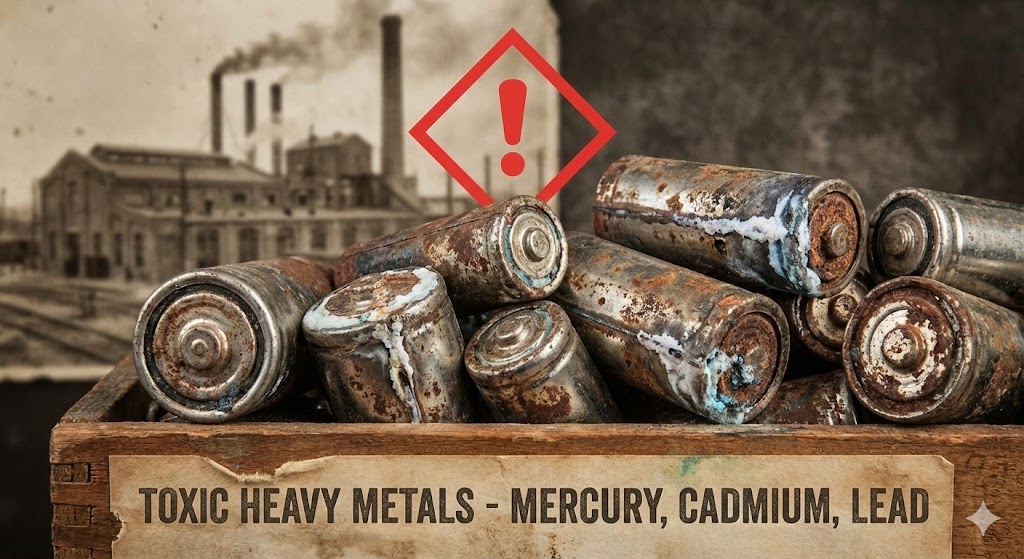
The Ghost of Batteries Past: Why Were They Toxic?
Remember the old days? Cars ran on leaded gas, paint was full of lead, and batteries... well, they were practically little toxic waste dumps in a metal can. It wasn't because manufacturers were evil; it was just the technology of the time.
Back then, heavy metals were added to batteries to improve performance and prevent internal chemical reactions that could cause them to swell or leak prematurely.
They were a necessary evil to keep your flashlight working. But as we learned more about environmental science, we realized the massive cost of that convenience. Understanding "mercury-free" starts with understanding why it was there in the first place.
The Heavy Metal Trio: Mercury, Cadmium, and Lead
These are the "big three" villains in the battery world.
Mercury (Hg): Used to coat zinc particles to prevent corrosion and gassing. It's a potent neurotoxin that accumulates in the food chain (think fish).
Cadmium (Cd): Primarily found in older rechargeable NiCd batteries. It's a carcinogen that can heavily damage kidneys and bones.
Lead (Pb): The main component in car batteries but also present in older consumer cells. It causes severe neurological damage, especially in children.
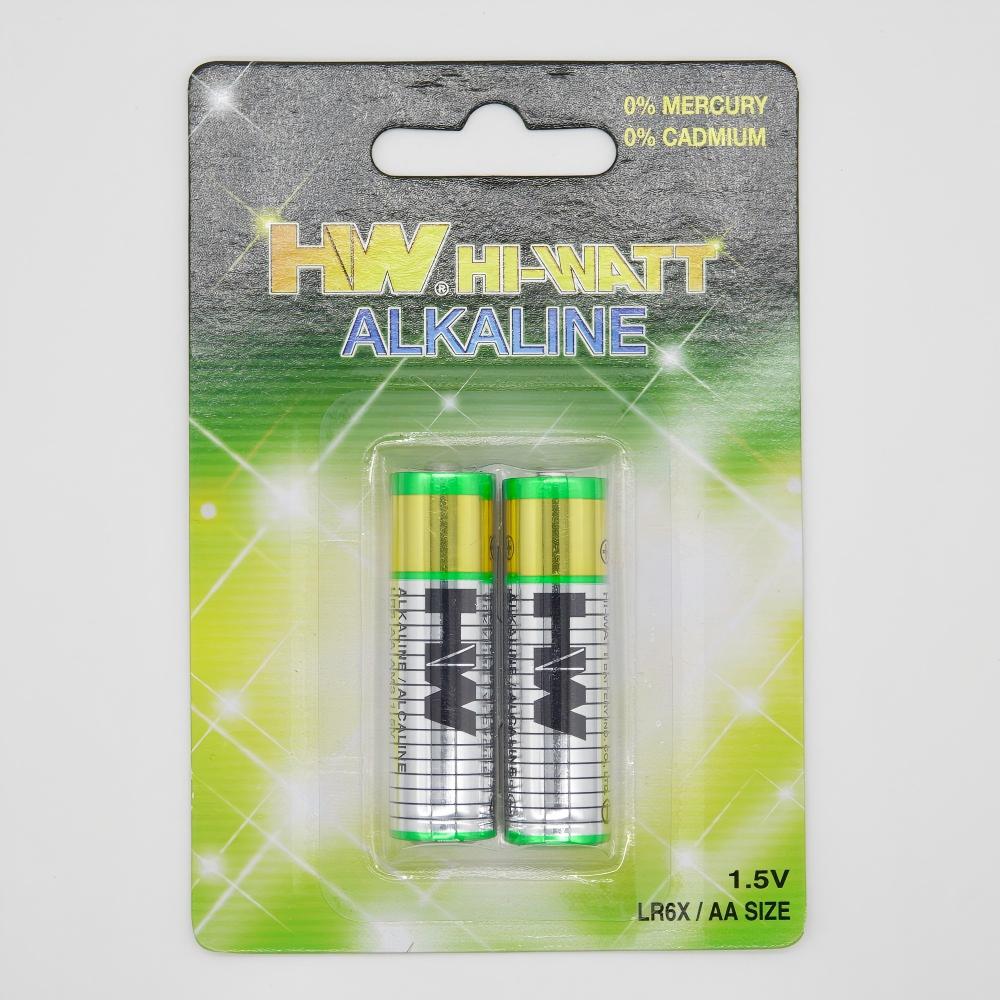
When you see "Without Hg Pb Cd" on a modern battery, it means these three nasty characters have been evicted.
The Environmental Hangover: Why It Matters Today
So, what happened when billions of these old batteries ran out of juice? They were tossed in the trash. They ended up in landfills. Over time, the metal casings rusted away, and those heavy metals leaked out into the soil and groundwater.
It’s a slow-motion environmental disaster. A tiny amount of mercury can contaminate a massive amount of water. This isn't just a history lesson; it's the reason why modern regulations are so strict and why making a change was absolutely necessary.
The "0% Mercury" Revolution: What Changed?
Fortunately, science marched on. In the 1990s, a massive push began to eliminate mercury from household batteries. It wasn't easy. Engineers had to completely rethink the internal chemistry.
The Science of Going Green: How We Remove the Bad Stuff
How do you stop a battery from corroding without mercury? You have to make it purer. Modern mercury-free alkaline batteries use much higher-grade zinc powder. They also incorporate smarter, cleaner anti-corrosion inhibitors that don't rely on toxic heavy metals.
Think of it like switching from a dirty, coal-burning engine to a clean, high-tech electric motor. The end result—power—is the same, but what's happening under the hood is vastly different and infinitely cleaner. Today, a high-quality alkaline battery from Hi-Watt performs just as well, if not better, than its toxic ancestors, with none of the environmental guilt.
Why Choosing "Eco-Friendly" Matters (More Than You Think)
Making the switch isn't just a feel-good exercise. It has real-world implications for everyone from the average homeowner to global procurement officers.
For the Planet: Reducing Landfill Toxicity
This is the obvious one. By buying 0% mercury batteries, you are ensuring that when that battery inevitably reaches the end of its life, it won't add to the toxic load of our planet. It’s a small choice that, multiplied by billions of batteries used globally, makes a massive difference in soil and water quality for future generations.
For Global Business: Meeting International Standards
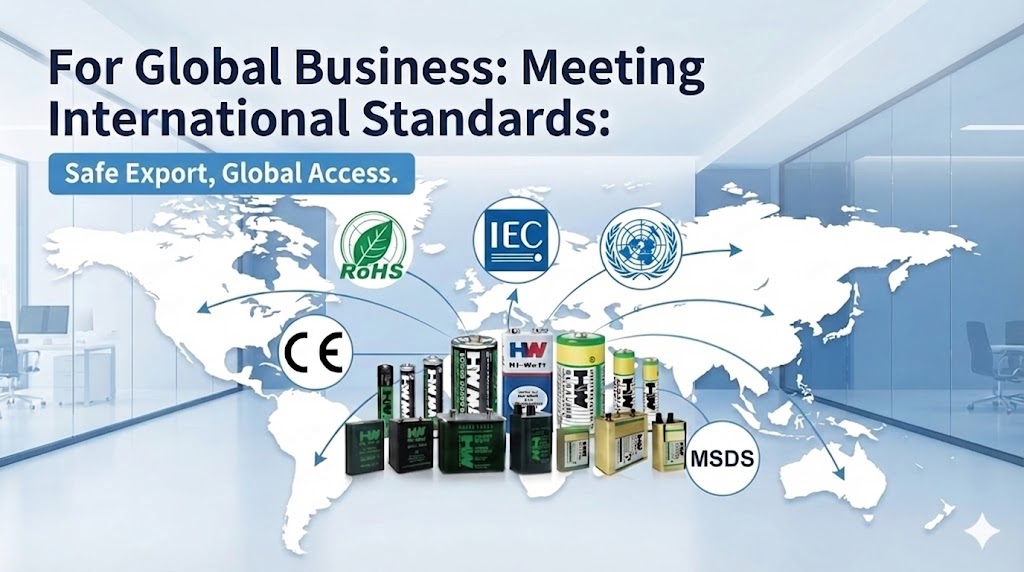
If you are a B2B buyer looking to export products containing batteries to markets like Europe or North America, "eco-friendly" isn't optional—it's the law.
Regulations like the EU's RoHS (Restriction of Hazardous Substances) strictly limit the amount of heavy metals allowed in electronics. Sourcing cheap, non-compliant batteries is a fast track to getting your shipment seized at customs or facing massive fines. Using certified mercury-free batteries is your passport to the global market.
The Hi-Watt Promise: Certified Green Power
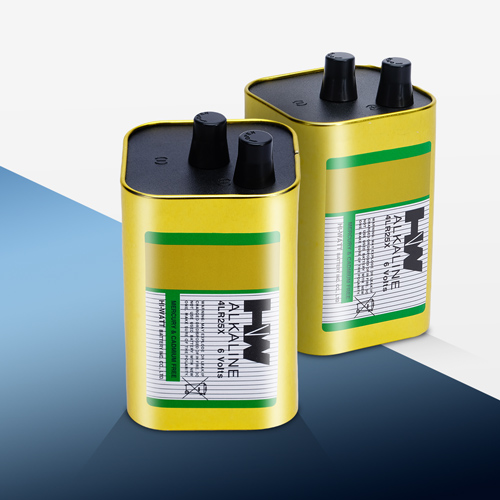
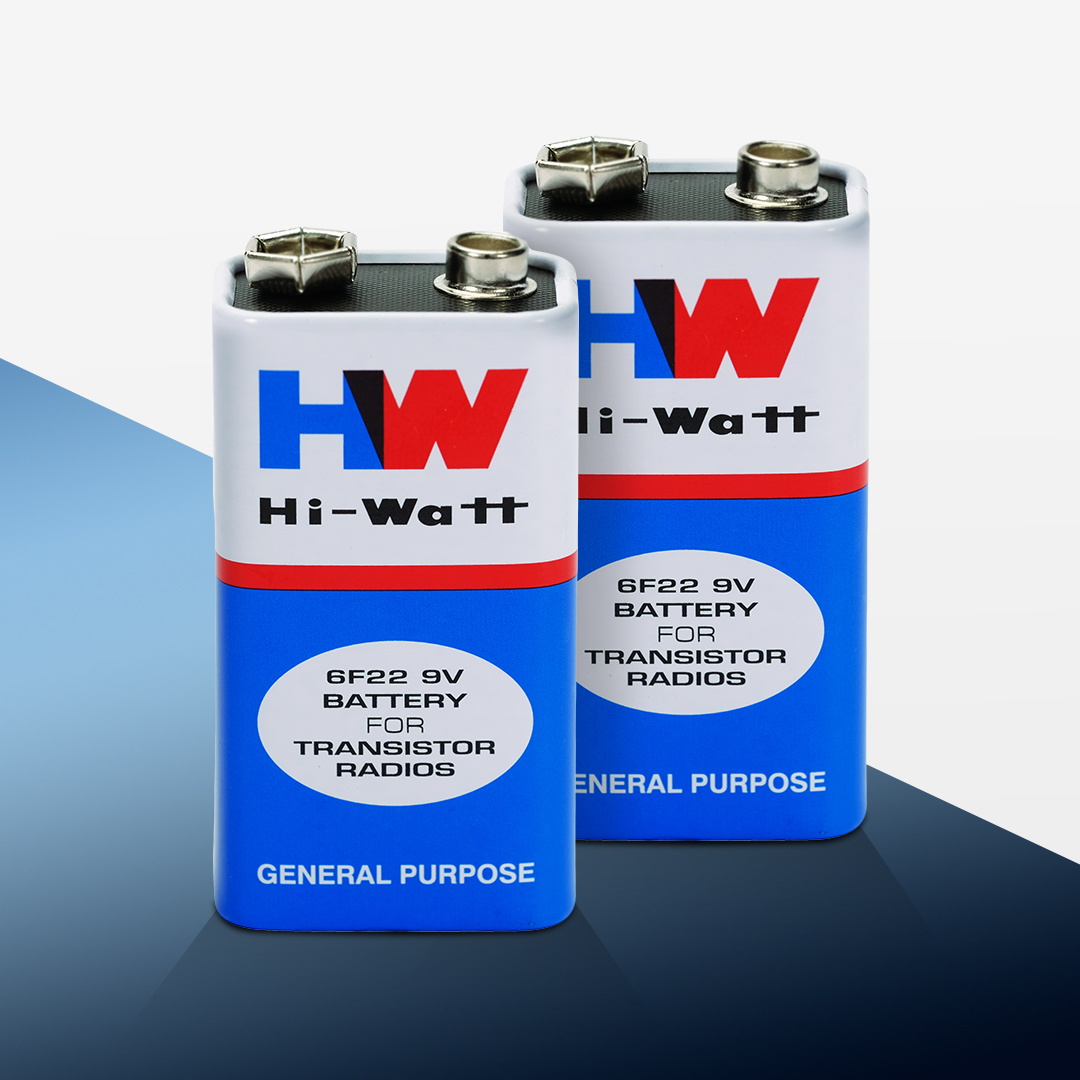
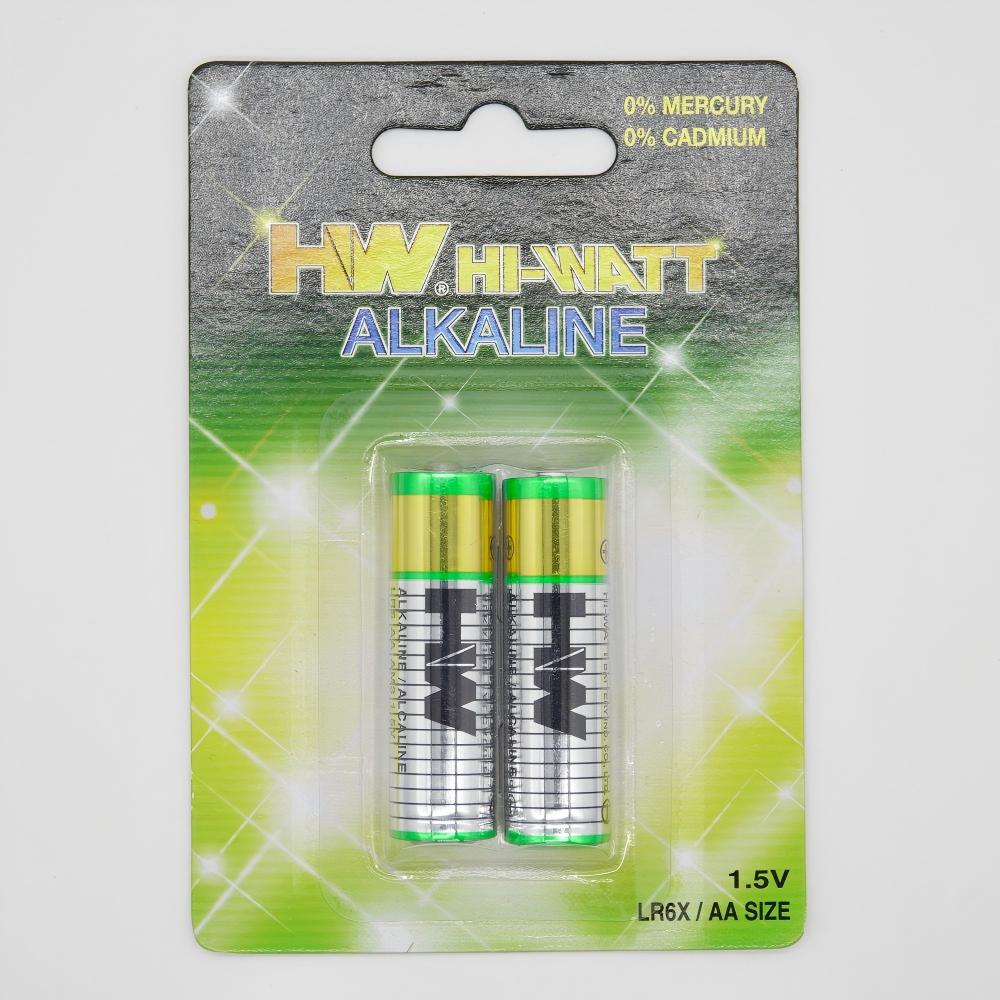
At Hi-Watt, we don't just talk the talk. We were among the pioneers in adopting green battery technology. When you pick up a pack of our Alkaline or Heavy Duty batteries, you will see it proudly printed on the pack: "0% Mercury", "0% Cadmium", "Without Hg Pb Cd".
We invest heavily in purified raw materials and advanced manufacturing processes to ensure our batteries are fully ROHS compliant. For our business partners, this means peace of mind. You are buying a product that is safe, legal, and ready for retail shelves anywhere in the world.
So, Can I Just Throw Them in the Trash? (Disposal Guide)
This is the million-dollar question. Since they are "green," can you just toss them in your kitchen bin?
The answer is: It depends on where you live.
Because modern alkaline and carbon-zinc batteries are free of heavy metals, many municipalities (like in the USA) now classify them as standard household waste that can be safely landfilled.
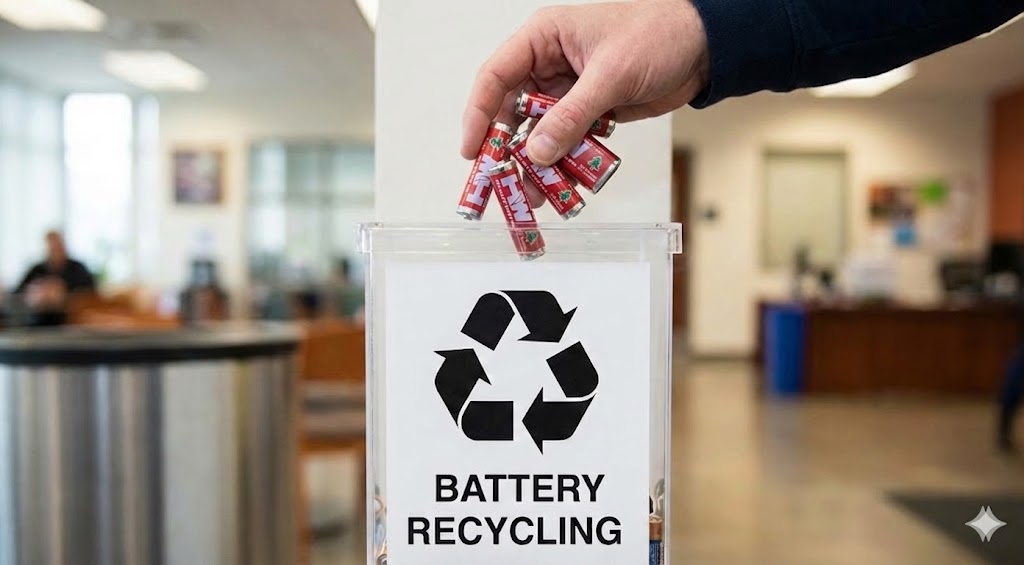
HOWEVER, the best practice is always recycling. While they aren't toxic, the steel, zinc, and manganese inside are valuable resources that can be recovered. We strongly recommend checking with your local waste management or looking for designated battery recycling drop-off points at electronics stores. It’s the ultimate green choice to close the loop.
Final Thoughts: Powering the Future Responsibly
The battery industry has come a long way from its toxic past. Today, high-performance power doesn't have to come at the Earth's expense. By choosing mercury-free alkaline batteries from trusted manufacturers like Hi-Watt, you are making a smart choice for your devices and a responsible choice for the planet. Whether you are powering a child's toy or stocking a global supply chain, choose the power that's clean, compliant, and ready for the future.
Now contact us to make the step of your battery business!